

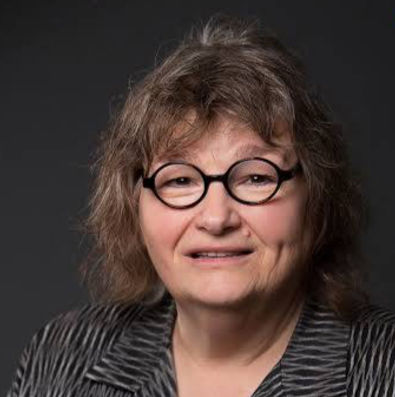
Marilyn Turkovich
United States
She/Her
Charter for Compassion
Marilyn Turkovich is the executive director of the International Charter for Compassion. Her background has been primarily in higher education and most specifically in directing teacher training programs for the Associated Colleges of the Midwest, and chairing Columbia College-Chicago's master's program in multicultural and global education. She has done curriculum writing through the years, much of it related to international and cultural topics.
She worked with Independent Broadcasting Associates on a series for airing on National Public Radio, BBC and the Australian Broadcasting organizations and with Quality Media Associates. She has also worked in organizational development and specialized in instructional design work, strategic planning and leadership development and wrote and developed training on race and social justice initiatives.

Steps to Liberation
Democracy, Human Rights, and the Practice of Freedom
Marilyn Turkovich begins with a simple idea: democracy and human rights do not live on paper alone. They live through people. Laws, constitutions, and declarations provide important foundations, but rights endure only when people choose to uphold them.
Connecting the U.S. Constitution with the 1948 Universal Declaration of Human Rights, Marilyn reminds us that declaring rights is not the same as securing them. This is especially true for LGBTQ+ rights, where she asks us to consider how we move from tolerance to acceptance—and beyond acceptance toward appreciation.
For Marilyn, that journey happens through experience and relationship. Democracy does not require everyone to agree, but it does require us to recognize one another’s dignity. Her question is simple: What does it mean to uphold another person’s dignity even when I do not fully understand or agree?
She connects this idea to Pride and the Rainbow Flag, reminding us that marching, gathering, creating, and being visible are all ways people practice freedom. Liberation is not simply something won in the past; it is something we continue to practice.
Ultimately, Marilyn asks: Where does democracy live? It lives in constitutions and courts, but also at kitchen tables, in classrooms, places of worship, and on the streets. It lives whenever people listen, engage, care, and protect the rights of others.
She closes with a beautiful image: freedom is not a ladder we climb, but a path we walk together.


